
Pumpkin Swirl Cheesecake (Creamy, Spiced, Bakery-Worthy)

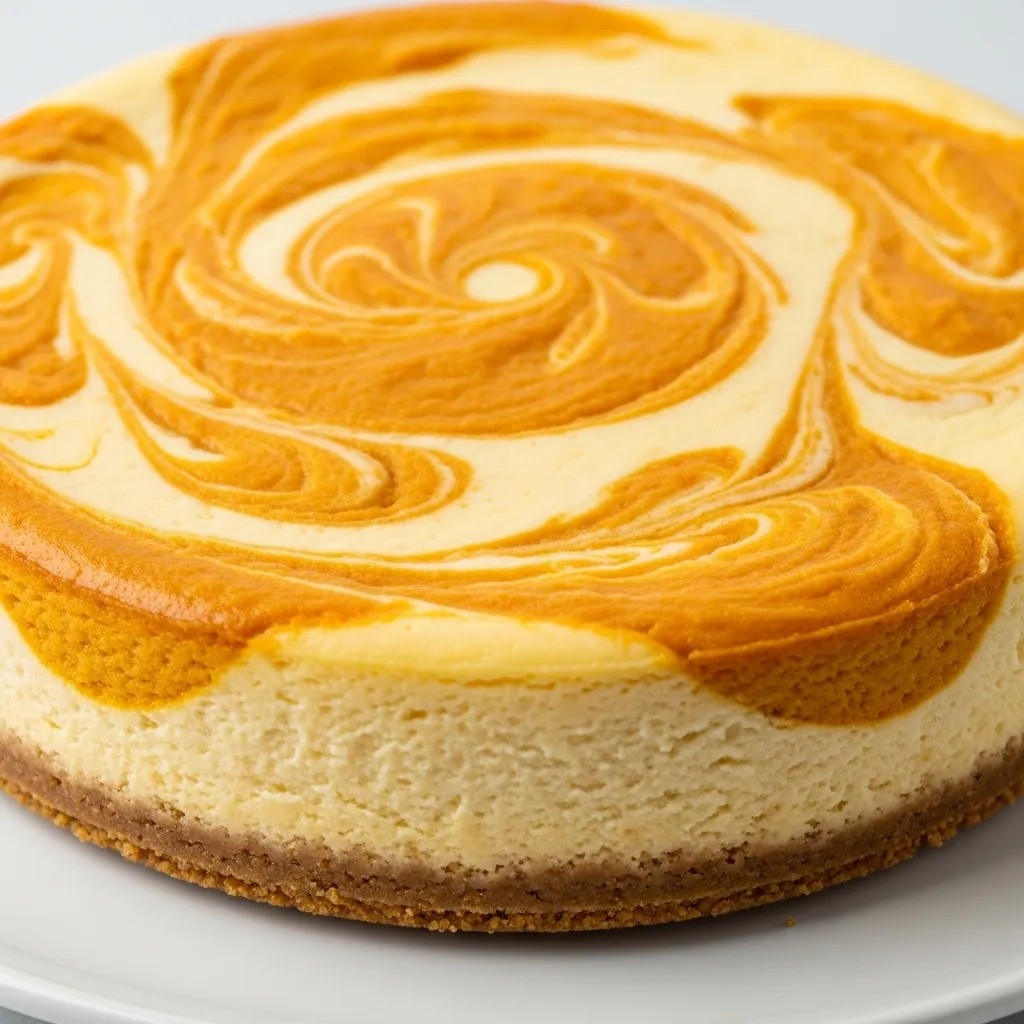
The swirl is the part that makes people gasp a little.
You drop spoonfuls of spiced pumpkin batter onto the creamy vanilla base, drag a knife through, and suddenly your plain cheesecake looks like marbled art.
Pumpkin swirl cheesecake is the dessert that tastes like the best parts of fall packed into one creamy slice. You get classic cheesecake richness, warm pumpkin spice, and a buttery graham crust holding it all up.
It takes patience, mostly in the form of chilling time. The actual work is gentler than you’d think.
Why You’ll Love This Recipe
I’ve cracked, sunk, and over-baked enough cheesecakes to learn what matters. This recipe folds all of that in. Here’s why it works:
- Two desserts in one slice. Vanilla cheesecake and spiced pumpkin, swirled together so every forkful has both.
- That marbled top looks stunning. It takes 30 seconds to create and reads as pure skill.
- The water bath keeps it crack-free. Gentle, even heat is the secret to a smooth, custardy texture.
- It’s a make-ahead hero. This cheesecake actually wants to be made the day before. Less stress for you.
- Crowd pleaser energy. It feeds a table and feels like an occasion, even on a regular weekend.
What You’ll Need

This makes one 9-inch cheesecake, about 12 slices.
For the graham crust:
- 1 1/2 cups (150g) graham cracker crumbs
- 5 tablespoons (70g) unsalted butter, melted
- 2 tablespoons (25g) granulated sugar
For the cheesecake base:
- 24 oz (three 8-oz blocks) cream cheese, room temperature
- 1 cup (200g) granulated sugar
- 3 large eggs, room temperature
- 1/4 cup (60g) sour cream
- 1 tablespoon all-purpose flour
- 1 teaspoon vanilla extract
For the pumpkin swirl:
- 3/4 cup (180g) pumpkin puree (not pie filling)
- 1 teaspoon pumpkin pie spice
- 2 tablespoons brown sugar
Room-temperature cream cheese is not optional here. Cold cream cheese gives you a lumpy batter no amount of mixing will fully fix. Pull it out a couple of hours before you start.
And check that can. Pumpkin puree and pumpkin pie filling look identical on the shelf, but pie filling is pre-sweetened and pre-spiced. You want plain puree.
Pro Tips
The difference between a good cheesecake and a flawless one lives in these details.
- Bring everything to room temperature. Cream cheese, eggs, sour cream. Cold ingredients fight you and trap air, which leads to cracks. Warm ingredients blend smooth.
- Don’t overbeat once eggs go in. Beating too much air into the batter makes it puff up dramatically, then sink and crack as it cools. Mix on low just until combined.
- Use the water bath. Wrap the pan in foil, set it in a larger pan, and pour hot water halfway up the sides. The steam keeps the texture silky and prevents the top from drying or splitting.
- Don’t open the oven door. Sudden temperature swings shock the cheesecake. Resist the urge to peek.
- Cool it slowly. When the bake time is up, turn the oven off and crack the door, letting the cheesecake sit for an hour. This gentle cooldown is your best crack insurance.
Tools You’ll Need
- 9-inch springform pan
- A larger roasting pan for the water bath
- Heavy-duty aluminum foil
- Electric mixer (stand or hand)
- Two mixing bowls
- Rubber spatula
- Butter knife or skewer for swirling
- Measuring cups and spoons
Substitutions and Variations
A few ways to put your own spin on it.
- Gingersnap crust. Swap the graham crumbs for crushed gingersnaps. The extra spice plays beautifully with pumpkin.
- Different spice blend. No pumpkin pie spice? Use 1/2 teaspoon cinnamon, 1/4 teaspoon ginger, and a pinch each of nutmeg and clove.
- Maple note. Add a teaspoon of maple extract to the pumpkin portion for a deeper fall flavor.
- Mini cheesecakes. Bake the batter in a lined muffin tin for individual portions. Cut the bake time to about 20 minutes.
- Lighter version. Use Neufchatel (light cream cheese) and light sour cream. The texture is slightly softer but still creamy.
- Topping ideas. A swoop of whipped cream and a dusting of cinnamon, or a drizzle of salted caramel right before serving.
Make Ahead Tips
This is genuinely a better dessert when made ahead.
Bake it a full day before you plan to serve. Cheesecake needs at least 6 hours of chilling, and overnight is even better. The flavor settles and the texture firms to that perfect sliceable creaminess.
The whole cheesecake also freezes well for up to 2 months. Chill it fully, then freeze it whole or in slices, wrapped tightly. Thaw overnight in the fridge.
You can press the crust into the pan and refrigerate it a day ahead too, ready for the filling.
How to Make Pumpkin Swirl Cheesecake
Slow and gentle is the whole game here. No rushing.
- Prep the pan and oven. Preheat to 325°F (163°C). Wrap the outside of your springform pan in two layers of foil to keep water out during the bath.
- Make the crust. Mix the graham crumbs, melted butter, and sugar until it looks like wet sand. Press firmly into the bottom of the pan. Bake 10 minutes, then set aside to cool.
- Beat the cream cheese. In a large bowl, beat the room-temperature cream cheese and sugar on medium until completely smooth, scraping the bowl often.
- Add the rest. Mix in the sour cream, flour, and vanilla. Add the eggs one at a time on low speed, mixing just until each disappears. Stop as soon as it’s combined.
- Make the pumpkin batter. Scoop about 1 1/4 cups of the plain batter into a separate bowl. Whisk in the pumpkin puree, pumpkin pie spice, and brown sugar.
- Layer and swirl. Pour most of the plain batter over the crust. Drop spoonfuls of the pumpkin batter on top, then a little more plain batter, then more pumpkin. Drag a knife or skewer through in figure-eights to create the swirl.
- Bake in the water bath. Set the springform in the roasting pan, pour hot water halfway up the sides, and bake for 60 to 70 minutes. The edges should be set with a slightly jiggly center.
- Cool slowly. Turn off the oven, crack the door, and leave the cheesecake inside for 1 hour. Then chill in the fridge for at least 6 hours, ideally overnight.
A Few Extra Details
A rough nutrition snapshot. Cheesecake is a celebration food. Here’s an estimate per slice, cut into 12:
| Per slice (approx.) | Amount |
|---|---|
| Calories | 390 |
| Carbohydrates | 30g |
| Sugars | 23g |
| Fat | 27g |
| Protein | 7g |
These shift with slice size and any toppings you add.
Diet-friendly swaps. For gluten-free, use gluten-free graham crackers or gingersnaps for the crust. The filling is naturally gluten-free aside from the tablespoon of flour, which you can swap for cornstarch.
What to serve with it. A hot mug of spiced chai or coffee is the natural partner. A little dollop of lightly sweetened whipped cream adds airiness against the dense filling.
Time-saver. Make the crust and bring all your dairy to room temperature the night before. Day-of assembly then takes about 15 minutes of active work before it goes in the oven.
Leftovers and Storage
Keep the cheesecake covered in the fridge for up to 5 days. The texture stays lovely the entire time.
For longer storage, freeze individual slices wrapped in plastic and foil for up to 2 months. Thaw a slice in the fridge overnight, and it tastes freshly made.
Always store it cold. Cheesecake is a dairy-heavy dessert and shouldn’t sit out at room temperature for more than a couple of hours.
FAQ
Why did my cheesecake crack? Cracks usually come from too much air beaten in, overbaking, or cooling too fast. The water bath and slow cooldown in this recipe are built to prevent all three.
Can I make it without a water bath? You can, but the risk of cracks and a drier edge goes up. If you skip it, place a pan of hot water on the rack below to add steam to the oven.
How do I know when it’s done? The edges will look set and the center will still jiggle slightly when you nudge the pan, like a not-quite-set jelly. It firms up fully as it chills.
Can I use fresh pumpkin? Yes, if it’s cooked down and well drained so it isn’t watery. Canned puree is more consistent, which is why most bakers reach for it.
My swirl disappeared into the batter. What happened? The pumpkin and plain batters were probably too thin, or you swirled too much. A few clean passes with the knife is all you need.
Wrapping Up
If you’ve ever felt like cheesecake was out of your league, this is the recipe that proves it isn’t.
The marbled top looks like bakery work. The texture is smooth and rich. And that combination of cool, creamy vanilla with warm pumpkin spice tastes like the coziest part of the year on a fork.
Give it a try this season, then come back and tell me how the swirl turned out. Did you go graham or gingersnap? Add caramel on top? Leave a comment with your results and any questions, and I’ll jump in to help.


